
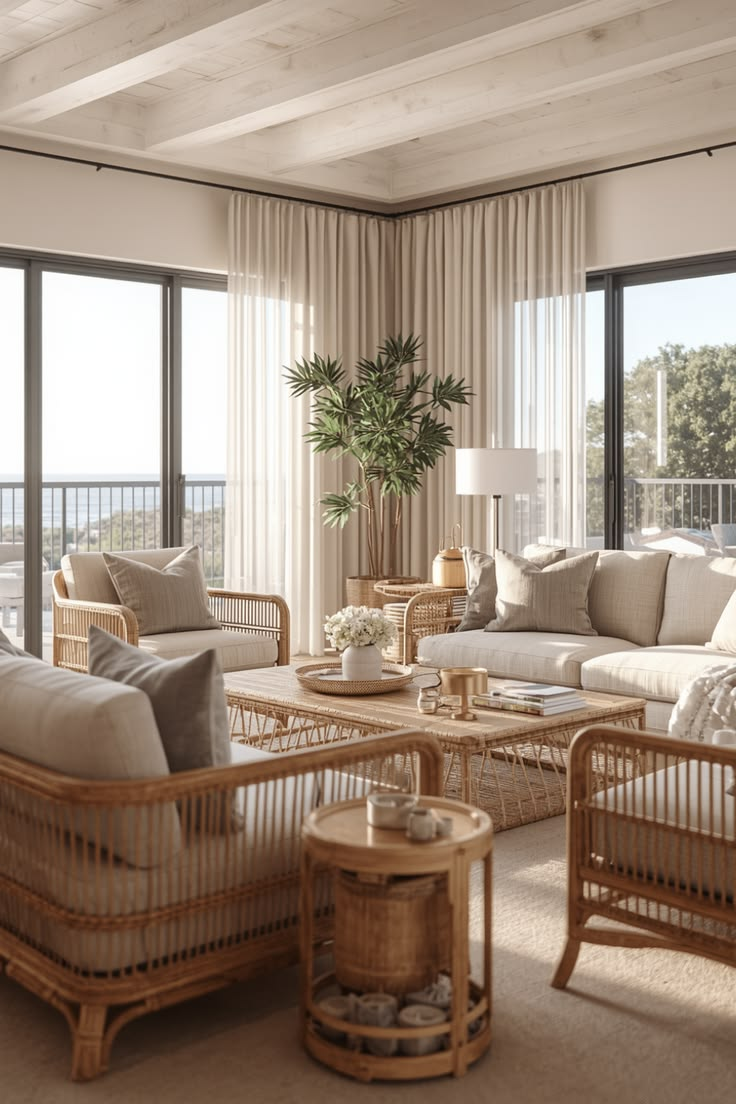
Designer Styling is one of the most effective approaches professional interior designers use to create timeless and personalized spaces. Rather than filling a room with matching furniture from a single collection, Designer Styling encourages mixing vintage and modern furniture to achieve balance, character, and authenticity.
For furniture importers and wholesalers, understanding Designer Styling is becoming increasingly important. International buyers are searching for furniture collections that can be combined across different design styles instead of complete matching sets. This growing preference creates new opportunities for manufacturers capable of producing versatile, high-quality furniture.
This article explains how Designer Styling works, why designers combine old and new furniture, and how this design philosophy influences today’s global furniture market.
What Is Designer Styling?
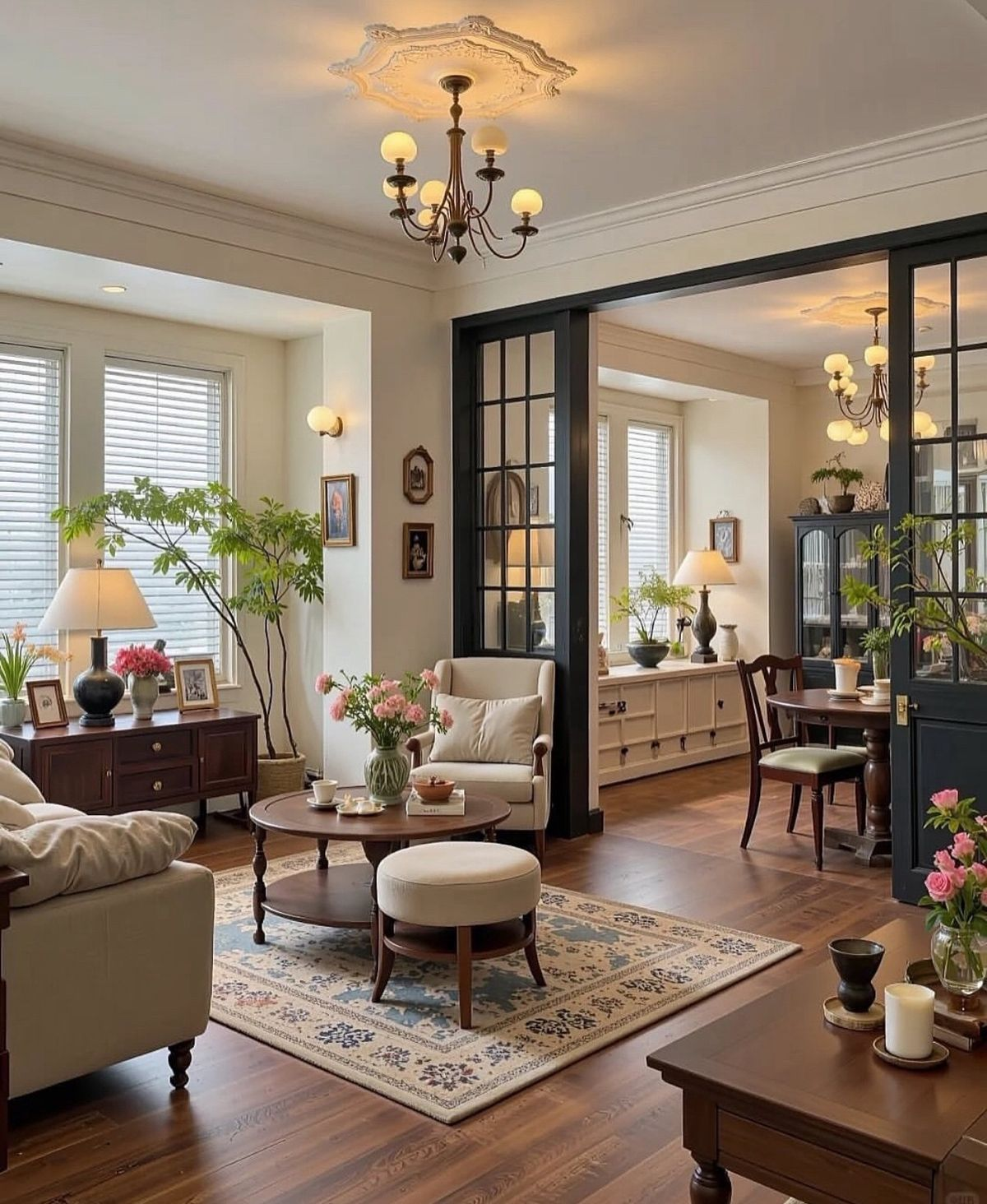
Designer Styling is more than selecting attractive furniture pieces. It is the art of creating interiors with depth, personality, and harmony through thoughtful combinations of materials, textures, colors, proportions, and history.
Rather than following a single design trend, Designer Styling focuses on balance. Every furniture piece has a purpose, whether it introduces contrast, creates a focal point, or connects different elements within the room.
Professional designers rarely furnish an entire home using furniture from one collection. Although matching sets may appear coordinated, they often lack individuality. Consequently, interiors can feel overly staged or impersonal.
Instead, designers layer different styles to create spaces that appear natural and lived-in.
As a result, each room reflects the personality of its occupants while maintaining a refined and cohesive appearance.
Why Designers Mix Old and New Furniture
Many furniture retailers display complete collections consisting of identical dining chairs, matching cabinets, coordinated sofas, and complementary coffee tables. While these arrangements are excellent for product presentation, they rarely represent how people truly want to live.
A showroom serves a commercial purpose: displaying products consistently and attractively.
However, residential interiors demand something different.
People want homes that feel warm, unique, and collected over time. When every piece belongs to the same collection, the room may appear predictable and overly perfect.
Consequently, designers intentionally introduce variation through different furniture styles, finishes, and historical influences.
This subtle contrast transforms a space from commercial to personal.
Benefits of Mixing Vintage and Modern Furniture
Vintage furniture offers qualities that modern manufacturing sometimes struggles to replicate.
Older pieces often showcase handcrafted details, solid hardwood construction, intricate carvings, and natural aging that develops character over decades.
These features immediately introduce authenticity into contemporary interiors.
Moreover, vintage furniture tells a story.
A reclaimed cabinet, antique console, or mid-century chair carries visual history that cannot be manufactured artificially.
Designers appreciate this sense of permanence because it prevents interiors from feeling temporary or trend-driven.
Furthermore, vintage furniture often becomes the emotional centerpiece of a room.
Instead of competing with modern elements, it anchors the overall design.
How Mixed Furniture Creates Character
Although vintage furniture provides character, modern furniture delivers functionality.
Today’s lifestyles demand ergonomic seating, efficient storage, durable materials, and flexible layouts.
Modern manufacturing also introduces cleaner lines, innovative materials, and practical features suitable for contemporary living.
Therefore, Designer Styling does not reject modern furniture.
Instead, it uses modern pieces to support comfort while allowing vintage elements to provide personality.
For example, a sleek modular sofa may sit beside an antique wooden coffee table.
Likewise, contemporary dining chairs can surround a reclaimed farmhouse table.
The result feels balanced instead of nostalgic.
Balancing Vintage and Modern Furniture
One of the strongest principles behind Designer Styling is contrast.
Without variation, interiors become visually flat.
Contrast creates excitement while maintaining harmony.
Professional designers combine:
- Smooth and textured surfaces
- Dark and light wood tones
- Traditional craftsmanship with minimal forms
- Organic materials with industrial finishes
- Handmade accents alongside precision manufacturing
These combinations encourage the eye to explore the space naturally.
Consequently, rooms become more memorable.
Instead of noticing individual furniture pieces, visitors experience the atmosphere as a whole.
Creating Spaces That Feel Collected Over Time
People rarely purchase all their furniture in a single day.
Their homes evolve gradually through travel, family history, gifts, and personal discoveries.
Designer Styling intentionally recreates this natural evolution.
Rather than presenting everything as brand new, designers mix generations of furniture to suggest that the interior has grown organically.
This approach increases emotional connection because people identify with spaces that appear authentic.
As a result, interiors become more inviting.
Balancing Scale When Mixing Furniture Styles
Furniture styling extends beyond age.
Materials also play a critical role.
Designers frequently combine:
- Solid teak with powder-coated steel
- Natural rattan with marble
- Reclaimed wood with glass
- Linen upholstery with leather accents
- Brass hardware with matte black finishes
Each material contributes a unique tactile quality.
Together, they enrich the sensory experience without overwhelming the room.
Furthermore, layered materials create luxury through subtle sophistication rather than excessive decoration.
How Color Connects Old and New
One misconception is that vintage and modern furniture naturally clash.
In reality, thoughtful color selection creates unity.
Neutral palettes remain especially effective because they allow different furniture styles to coexist comfortably.
Earth tones, warm woods, soft whites, charcoal, beige, olive, and muted black provide an excellent foundation.
Accent colors then introduce personality through textiles, artwork, or decorative accessories.
Consequently, furniture from different eras appears intentionally curated instead of randomly assembled.
Texture Is Just as Important as Style
Designer Styling relies heavily on texture.
Even when furniture colors remain neutral, varying textures create richness.
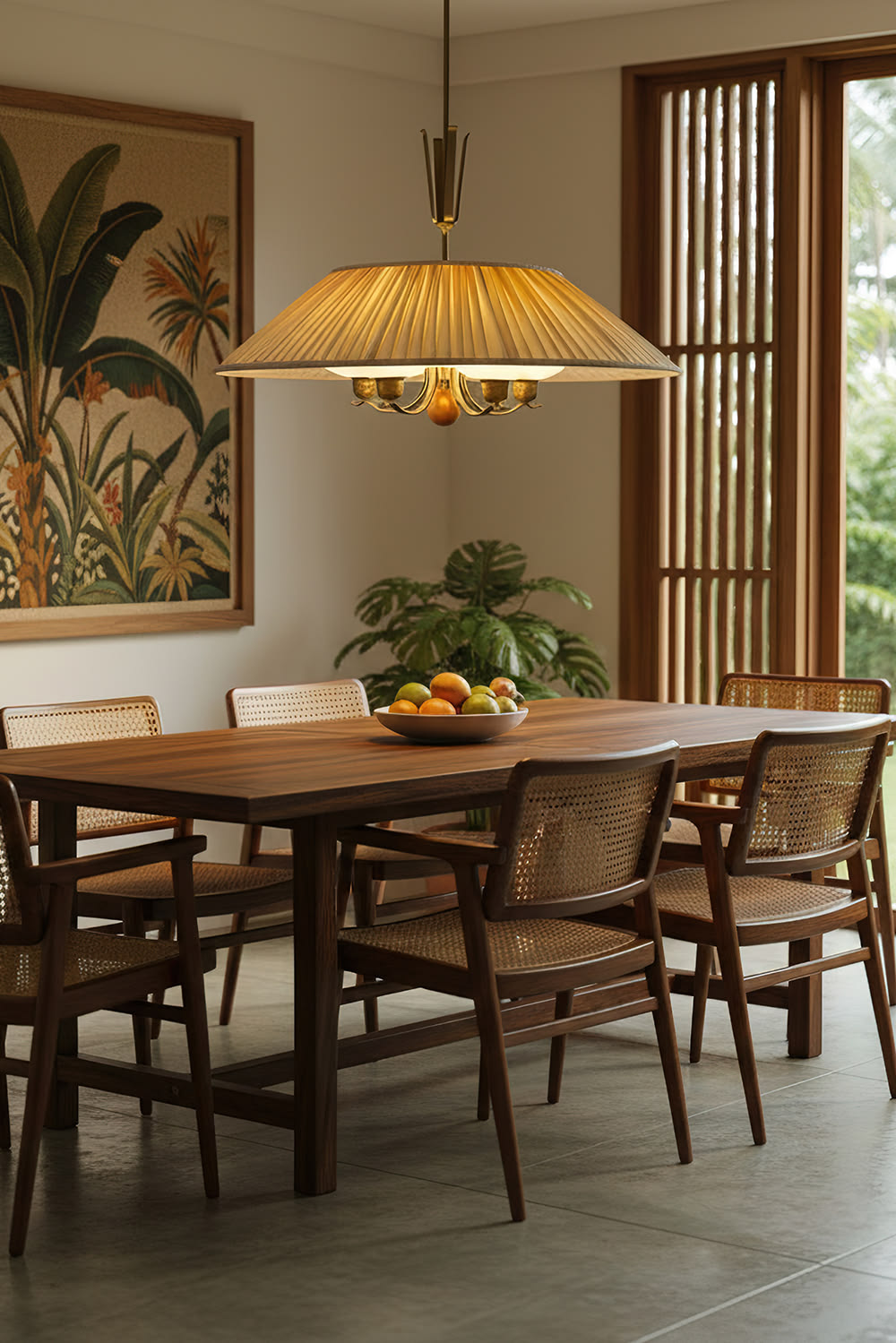
For example, a smooth oak dining table pairs beautifully with woven rattan dining chairs.
Similarly, polished concrete flooring complements distressed wooden cabinets.
Soft fabrics balance harder materials, while handcrafted weaving softens minimalist architecture.
These combinations prevent interiors from becoming visually monotonous.
Scale and Proportion Matter More Than Age
Many people assume successful styling depends entirely on furniture age.
However, experienced designers prioritize proportion.
An oversized antique cabinet may overwhelm a compact apartment.
Likewise, delicate vintage chairs can disappear beside an enormous sectional sofa.
Therefore, designers first evaluate room dimensions before selecting furniture combinations.
Balanced proportions ensure every piece contributes to the composition without dominating it.
Sustainability Supports Designer Styling
Sustainability has become a significant purchasing factor throughout the global furniture industry.
Fortunately, mixing old and new furniture naturally supports environmentally responsible design.
Rather than replacing every item, designers preserve high-quality vintage furniture while introducing carefully selected contemporary pieces.
This approach extends product life cycles and reduces unnecessary waste.
Consequently, Designer Styling aligns with circular economy principles increasingly valued by consumers, architects, hospitality developers, and commercial buyers.
Opportunities for Furniture Importers and Wholesalers
The popularity of Designer Styling presents valuable business opportunities.
Instead of offering only complete matching collections, suppliers can develop complementary product ranges.
These collections allow buyers to combine various furniture styles confidently.
Importers increasingly seek manufacturers capable of producing:
- Contemporary furniture with natural finishes
- Handcrafted rattan collections
- Reclaimed wood furniture
- Transitional designs
- Mixed-material products
- Hospitality-ready furniture
- Sustainable collections
By offering versatile products, suppliers become valuable long-term partners rather than simple product vendors.
Why Natural Materials Fit Both Vintage and Modern Design
Natural materials easily bridge traditional and contemporary interiors.
Among these materials, rattan remains particularly versatile.
Its organic texture complements minimalist architecture while preserving handcrafted warmth.
Likewise, solid teak introduces timeless durability suitable for both classic and modern environments.
Consequently, furniture manufacturers specializing in natural materials enjoy greater flexibility when serving international markets.
Their collections integrate seamlessly into Designer Styling concepts across residential, hospitality, commercial, and retail projects.
Mixed Furniture for Hospitality Projects
Hotels, resorts, restaurants, and boutique accommodations increasingly adopt Designer Styling.
Guests appreciate interiors that feel authentic instead of standardized.
A boutique hotel may feature:
- Contemporary beds
- Vintage-inspired cabinets
- Handwoven rattan lighting
- Reclaimed wood dining tables
- Modern upholstery
- Antique decorative accents
This combination creates memorable guest experiences while strengthening brand identity.
Consequently, hospitality buyers continue driving demand for mixed-style furniture collections.
How Manufacturers Can Support Designers
Manufacturers play an important role in helping designers execute mixed-style interiors successfully.
Instead of producing identical collections, manufacturers can offer complementary pieces with flexible finishes and consistent craftsmanship.
Useful strategies include:
- Developing modular collections
- Offering multiple wood finishes
- Maintaining consistent dimensions
- Combining handcrafted and machine-made production
- Providing customizable upholstery
- Producing neutral color palettes
These options give designers greater creative freedom while simplifying procurement for wholesalers and importers.
Common Mistakes When Mixing Old and New Furniture
Although Designer Styling appears effortless, achieving balance requires careful planning.
Some common mistakes include:
Buying Everything Vintage
Too many antique pieces may make interiors feel outdated rather than timeless.
Choosing Only Modern Furniture
Entirely contemporary rooms sometimes lack warmth and individuality.
Ignoring Scale
Beautiful furniture loses impact when proportions feel incorrect.
Mixing Too Many Styles
Excessive variety creates visual confusion instead of harmony.
Forgetting Material Balance
Repeating identical finishes throughout a room reduces visual interest.
Professional designers avoid these issues by focusing on consistency rather than uniformity.
Why Mixed Furniture Remains Timeless
Interior design trends change regularly.
Nevertheless, Designer Styling has remained relevant for decades because it prioritizes timeless principles instead of temporary fashions.
Consumers increasingly value:
- Authenticity
- Sustainability
- Craftsmanship
- Personal expression
- Long-lasting quality
These values naturally encourage combining vintage character with modern functionality.
Consequently, the demand for versatile furniture collections continues expanding across international markets.
For importers and wholesalers, this trend represents more than a design preference.
It reflects changing consumer expectations that influence purchasing decisions worldwide.
Conclusion
Designer Styling demonstrates that exceptional interiors are rarely created through perfectly matching furniture collections. Instead, the most memorable spaces combine vintage character with modern functionality to achieve warmth, authenticity, and visual balance.
By blending old and new furniture, designers avoid showroom-like interiors while creating environments that feel personal, timeless, and inviting. Every carefully selected piece contributes to a richer story, allowing rooms to evolve naturally rather than appear assembled in a single purchase.
For furniture manufacturers, importers, and wholesalers, this philosophy offers valuable business opportunities. Collections that combine natural materials, handcrafted quality, contemporary design, and flexible styling options are increasingly preferred by interior designers, hospitality buyers, retailers, and commercial developers.
As global demand continues shifting toward curated interiors with lasting appeal, businesses that understand Designer Styling will be better positioned to deliver products that meet both aesthetic expectations and long-term market trends. Rather than selling individual furniture pieces, they become partners in creating spaces that inspire, perform, and endure.
Explore More from Flaminggo Rotan
If you’re looking for premium furniture collections that complement Designer Styling, explore our related products and services:
- Rattan Furniture Collection – Discover handcrafted rattan furniture designed for residential, hospitality, and commercial interiors.
- Teak Furniture Collection – Explore timeless teak furniture that pairs beautifully with both vintage and modern spaces.
- Custom Furniture Manufacturing – Learn how Flaminggo Rotan develops bespoke furniture solutions for importers, wholesalers, and interior designers.
- Hospitality Furniture – Browse furniture collections created specifically for hotels, resorts, restaurants, cafés, and other commercial projects.
- Contact Us – Speak with our team to discuss your next furniture sourcing project.
- Follow Us on instagram too, and feel free to connect with us. @Flamingorotan or @Flamingorotan.id