
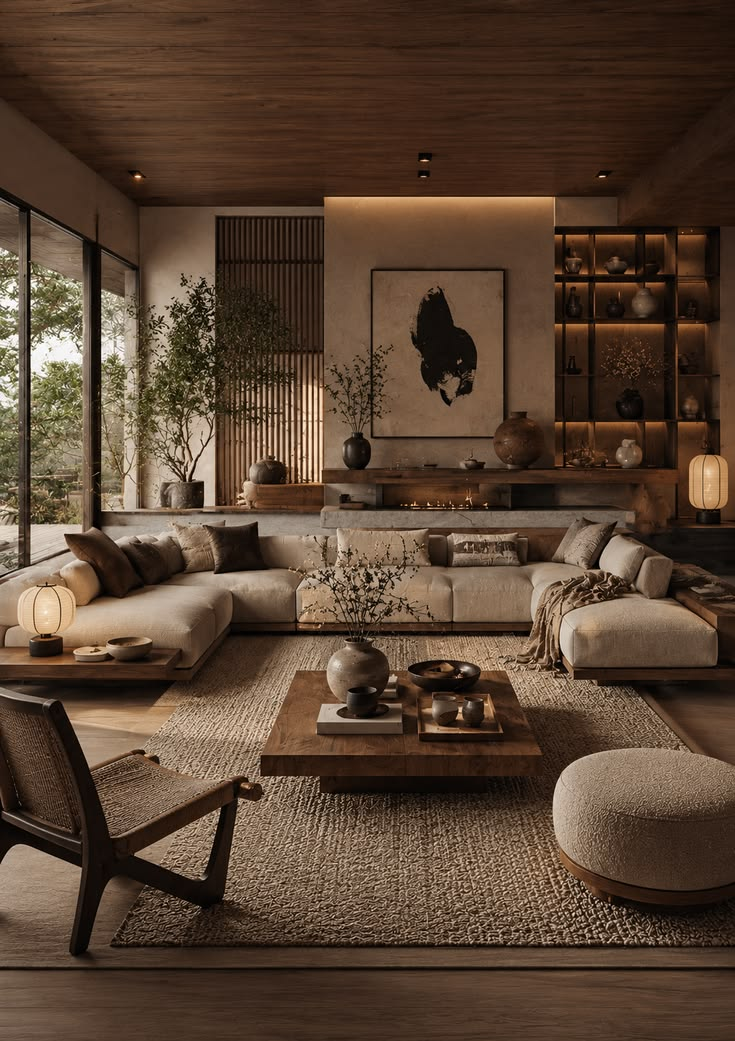
Color Psychology: Why Designers Rarely Paint Every Wall the Same Color
Have you ever walked into a beautifully designed home and wondered why it feels so welcoming, sophisticated, and effortlessly balanced? Chances are, the secret isn’t expensive furniture or luxurious décor alone. Instead, it begins with a thoughtful understanding of Color Psychology.
For decades, painting every wall in a room the same color was considered the safest approach. It created consistency, simplified decoration, and was relatively easy to execute. However, today’s leading interior designers rarely follow that formula. Modern interiors are becoming increasingly layered, personal, and emotionally engaging. Rather than relying on a single paint color throughout a room, designers strategically combine complementary shades, accent walls, textures, and carefully curated furniture pieces to create spaces with personality.
This shift is not merely about following design trends. It reflects a deeper understanding of how people experience their surroundings. Different colors evoke different emotions, influence perception, and affect how large, cozy, energetic, or relaxing a room feels.
Equally important is the growing preference for mixing vintage and modern furniture. Instead of creating interiors that resemble a perfectly staged showroom, designers aim to craft homes that tell stories. Vintage furniture introduces warmth, history, and authenticity, while contemporary pieces contribute clean lines and practical functionality. Together, they create spaces that feel collected over time rather than purchased all at once.
In this article, we’ll explore why today’s designers rarely paint every wall the same color, how Color Psychology influences interior design decisions, and why combining vintage and modern furniture has become one of the most effective ways to create timeless interiors.
How Color Psychology Influences Modern Interiors
Color Psychology is the study of how colors influence human emotions, behavior, and perception. While personal preferences always play a role, numerous studies have shown that color significantly impacts how people feel inside a space.
Interior designers use this knowledge to support the function of every room.
For example:
- Soft blues encourage relaxation and tranquility.
- Warm beige creates comfort and stability.
- Earthy greens promote balance and harmony.
- Deep charcoal adds sophistication and intimacy.
- Rich terracotta brings warmth and energy.
- Creamy whites create openness without feeling sterile.
Rather than selecting colors solely because they are fashionable, professional designers first consider the emotional experience they want occupants to have.
This thoughtful approach explains why modern interiors rarely rely on a single color throughout an entire room.
Why Uniform Wall Colors Can Feel Flat
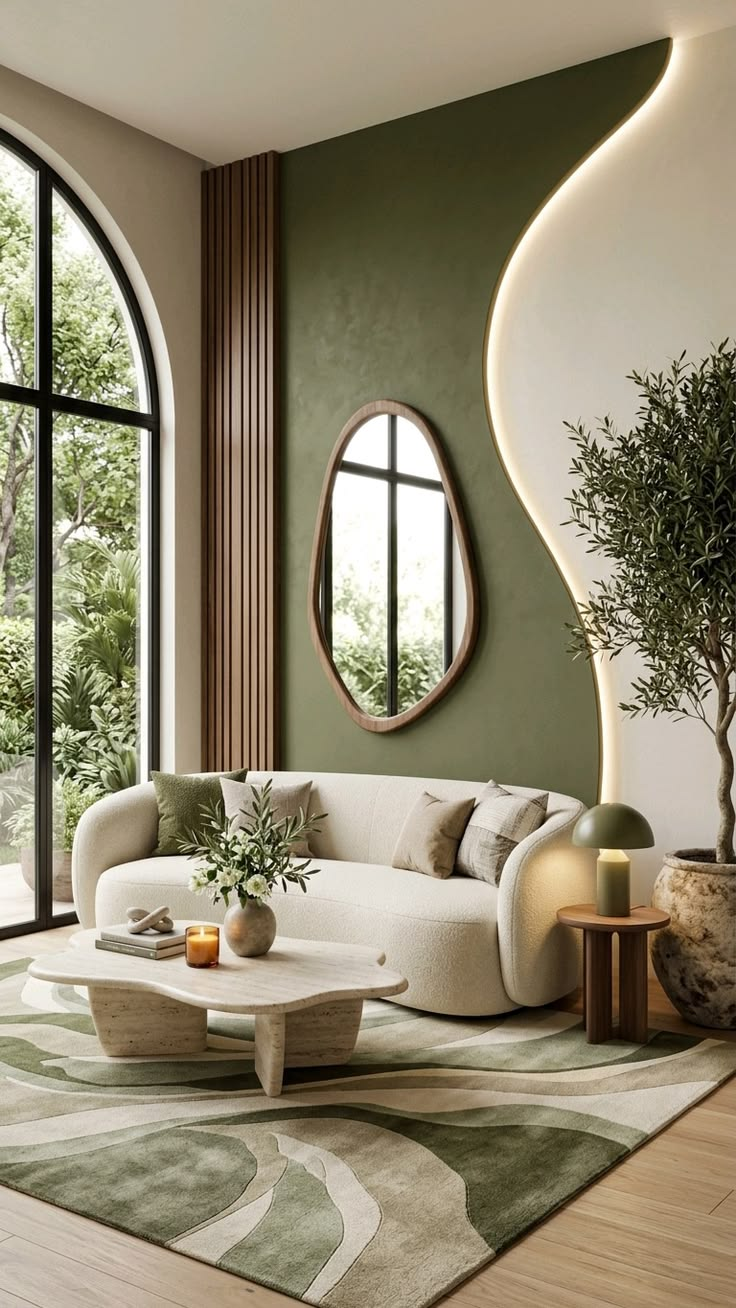
Painting every wall exactly the same color creates consistency. However, consistency isn’t always visually engaging.
Large monochromatic rooms often appear:
- Less dynamic
- Visually predictable
- Emotionally neutral
- Similar to display homes
- Lacking architectural emphasis
Even beautiful paint colors can become overwhelming when applied everywhere without variation.
Instead, designers introduce contrast to create rhythm throughout the room. Small shifts in tone naturally guide the eye from one area to another, making the space feel more intentional.
As a result, rooms appear richer without becoming visually busy.
Color Creates Natural Zones
Modern homes frequently feature open-plan layouts where kitchens, dining rooms, and living areas share one continuous space.
Without thoughtful color planning, these spaces can appear undefined.
Instead of building physical walls, designers often use color to create subtle transitions.
For example:
- A warm greige living room
- A muted olive dining area
- A soft ivory kitchen
Although these colors belong to the same palette, each zone develops its own identity.
This strategy supports both functionality and aesthetics while maintaining visual flow.
Accent Walls Have Evolved
Accent walls were once associated with bold reds or dramatic black feature walls.
Today’s designers use a much more refined approach.
Instead of creating obvious focal points, they introduce subtle variations such as:
- A darker version of the main wall color
- Limewash finishes
- Textured plaster
- Wood paneling
- Natural stone
- Decorative molding
These details add depth without overwhelming the room.
Color Psychology plays an important role here because slight tonal changes create emotional contrast while preserving harmony.
Light Changes Everything
Natural light dramatically affects how paint appears throughout the day.
Morning sunlight may make a room feel cool and crisp.
Afternoon light often introduces golden warmth.
Evening lighting creates softer shadows.
Because every wall receives light differently, using identical paint everywhere may produce unexpected visual inconsistencies.
Designers compensate by adjusting tones according to:
- Window direction
- Ceiling height
- Architectural features
- Natural shadows
- Artificial lighting
Consequently, each wall supports the room’s overall balance.
Creating Depth Through Layered Colors
Luxury interiors rarely rely on a single paint color.
Instead, designers layer multiple shades within one cohesive palette.
For example:
Walls may feature warm taupe.
Ceilings might use a lighter cream.
Trim could be painted in soft ivory.
Cabinets may introduce muted olive.
Furniture can add walnut brown, black metal, and natural rattan.
None of these colors compete.
Instead, they complement one another while adding richness.
This layered approach is a hallmark of sophisticated interior design.
Why Designers Mix Vintage and Modern Furniture
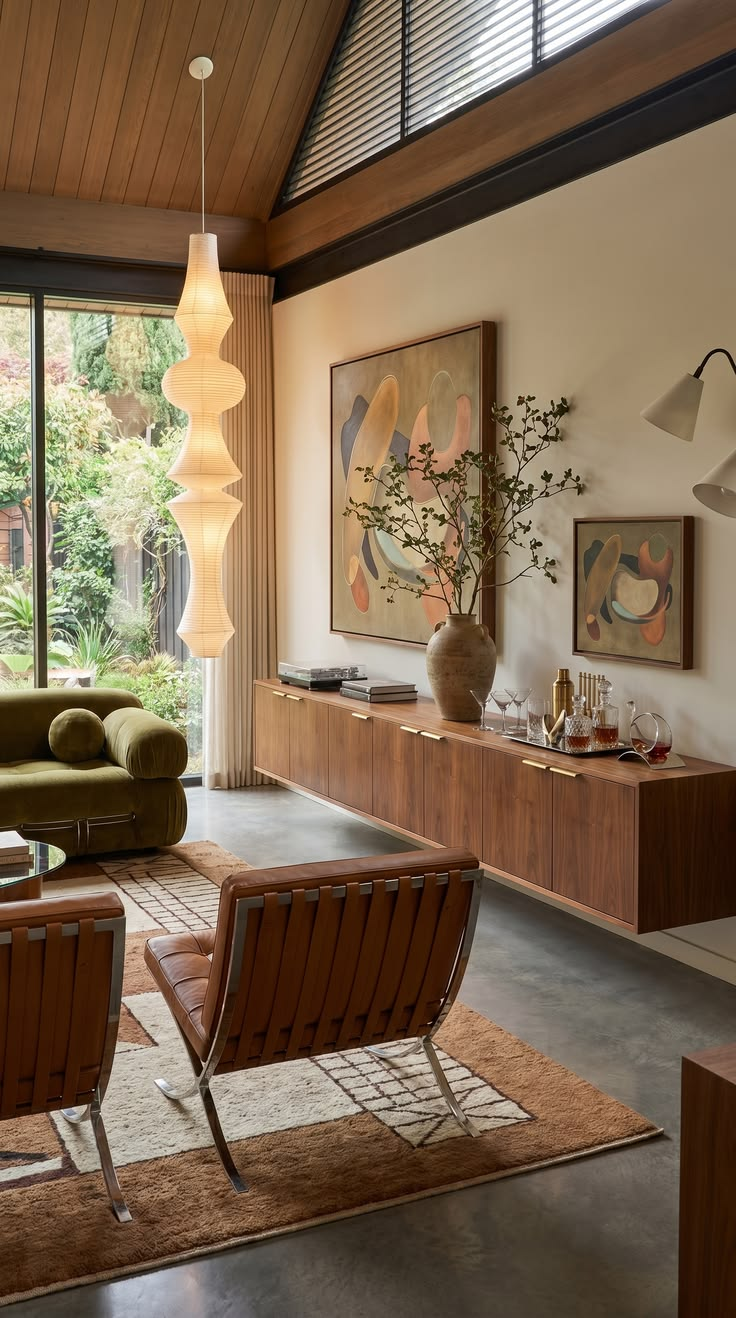
One of the biggest shifts in contemporary interior design is the move away from perfectly matched furniture collections.
Instead of purchasing every piece from a single showroom, designers intentionally blend furniture from different eras.
This combination creates interiors with authenticity.
Vintage furniture offers:
- Natural patina
- Craftsmanship
- Character
- History
- Unique silhouettes
Modern furniture contributes:
- Simplicity
- Comfort
- Practical functionality
- Clean lines
- Contemporary elegance
Together, these contrasting styles create balanced interiors that feel lived-in rather than staged.
Avoiding the “Showroom” Look
One of the most common goals among interior designers is avoiding spaces that appear overly coordinated.
When every wall shares the same color and every furniture piece comes from the same collection, interiors often resemble furniture showrooms instead of homes.
Although showroom displays look polished, they sometimes lack warmth.
Real homes benefit from contrast.
Imagine pairing:
A vintage teak cabinet.
A contemporary linen sofa.
A handcrafted rattan lounge chair.
A sleek marble coffee table.
A modern brass floor lamp.
Each piece contributes something different.
Collectively, they tell a story.
That narrative creates emotional connection.
Color Psychology Supports Mixed Furniture Styles
Mixing vintage and modern furniture becomes much easier when guided by Color Psychology.
Instead of matching furniture styles, designers connect pieces through color.
For instance:
A vintage walnut dining table complements warm beige walls.
Modern black chairs add contrast.
Olive green artwork introduces freshness.
Natural woven baskets soften the palette.
Cream upholstery keeps everything balanced.
Although the furniture originates from different periods, the color palette unifies the entire room.
Natural Materials Enhance Color Harmony
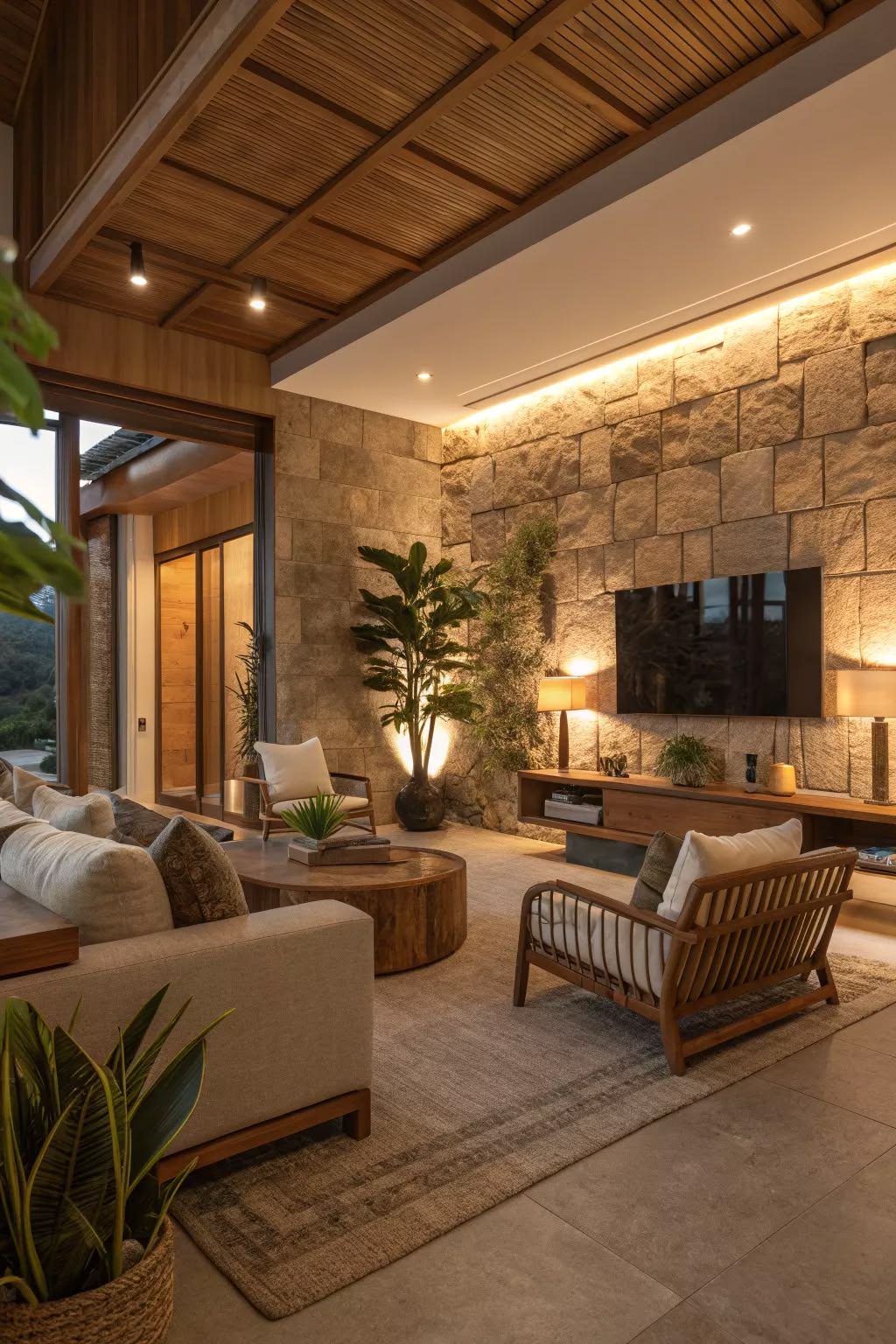
Wood, rattan, bamboo, linen, cotton, and stone all possess natural color variations.
Unlike synthetic materials, they create subtle depth.
This is one reason why handcrafted furniture continues to gain popularity in luxury interiors.
Natural materials respond beautifully to layered paint colors because both contain organic tonal variation.
For example:
A honey-colored rattan chair looks richer beside muted sage walls than against bright white paint.
Similarly, reclaimed teak furniture develops even greater character when surrounded by warm neutral colors.
The result feels timeless rather than trendy.
Choosing Colors That Reflect Lifestyle
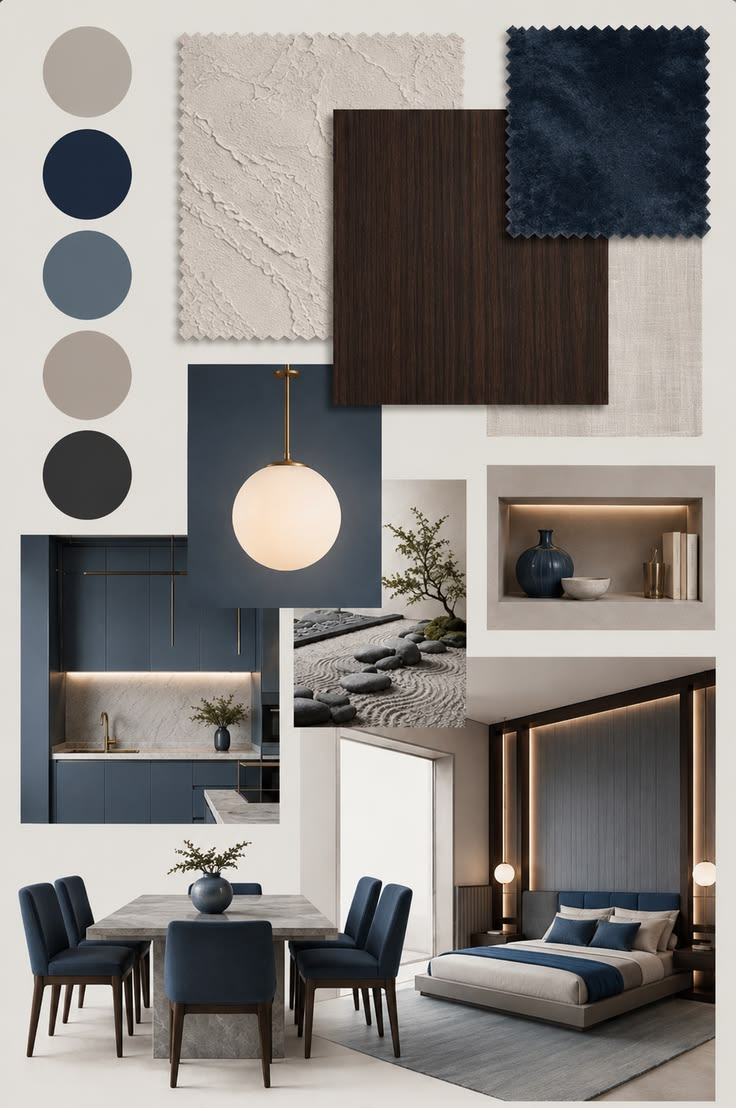
Professional designers rarely ask clients which color they like first.
Instead, they ask questions about lifestyle.
An energetic household may benefit from warm earth tones.
A relaxing retreat might feature calming greens and muted blues.
Color Psychology transforms decoration into purposeful design.
How to Create a Balanced Interior
If you’re inspired by professional designers, consider these practical strategies:
- Choose a neutral foundation.
- Add one or two complementary wall colors.
- Mix vintage and contemporary furniture.
- Incorporate natural materials like rattan and wood.
- Introduce texture through textiles and woven elements.
- Repeat colors throughout the room for visual continuity.
- Allow each furniture piece to contribute its own character.
Following these principles creates interiors that feel intentional instead of overly designed.
Why This Design Philosophy Is Here to Stay
Today’s homeowners increasingly value authenticity over perfection.
Rather than creating homes that resemble magazine spreads, they want spaces that reflect their personalities.
That desire explains why interior designers continue embracing:
- Layered colors
- Mixed furniture styles
- Handcrafted materials
- Natural textures
- Vintage accents
- Contemporary functionality
Together, these elements produce homes with warmth, depth, and individuality.
Color Psychology serves as the foundation that connects every decision, ensuring each element works in harmony.
The Role of Handcrafted Furniture in Timeless Interiors
Timeless interiors are rarely built around fleeting trends. Instead, they are shaped by enduring craftsmanship, high-quality materials, and thoughtful design choices that remain relevant for years. As a result, handcrafted furniture has become an essential element in creating spaces with lasting appeal.
Unlike mass-produced pieces, handcrafted furniture showcases subtle variations in texture, weaving, and finish. Consequently, every item carries a unique character that adds authenticity to the overall design. These distinctive details also help a room feel more personal and inviting.
Moreover, handcrafted rattan furniture introduces organic textures that naturally soften modern architecture and clean-lined interiors. When paired with layered wall colors inspired by Color Psychology, these pieces create visual warmth while maintaining a refined and elegant atmosphere.
At the same time, combining handcrafted furniture with carefully selected vintage and contemporary pieces prevents a space from looking overly coordinated. Instead, the mix creates depth, balance, and a sense of individuality that cannot be achieved with matching furniture collections alone.
Ultimately, timeless interiors are not defined by perfection but by harmony. By combining handcrafted furniture, natural materials, and a well-balanced color palette, homeowners can create living spaces that feel luxurious, welcoming, and effortlessly authentic for years to come.
Conclusion
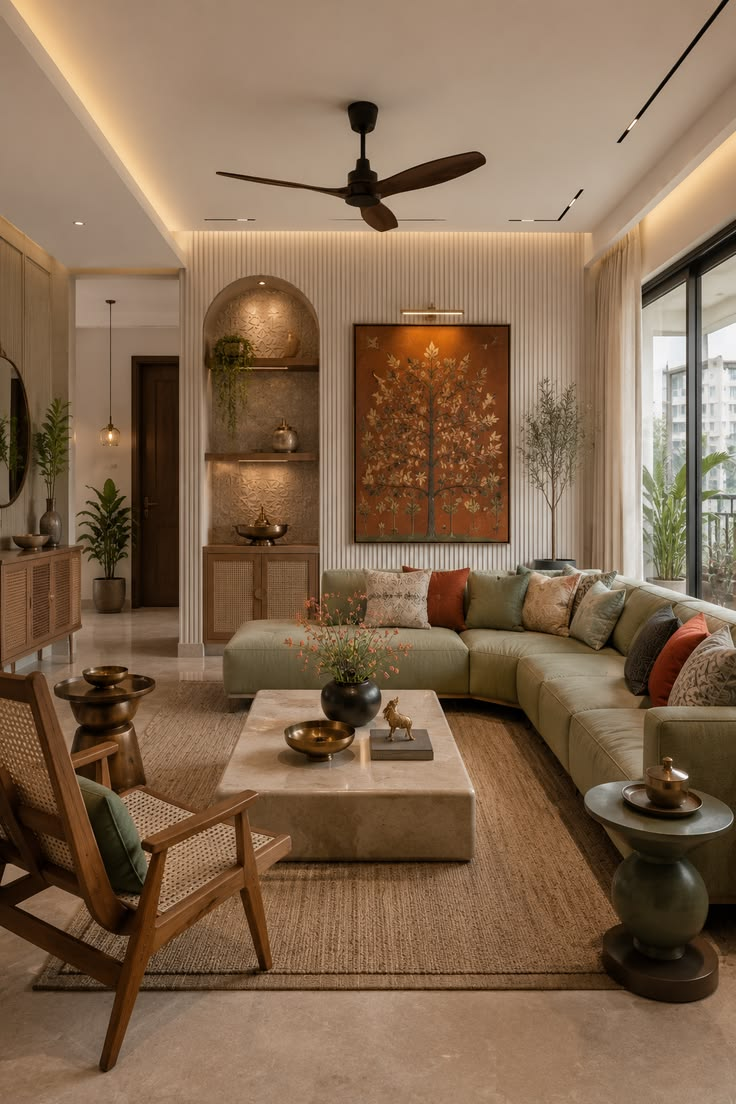
The days of painting every wall the same color are gradually fading. Today’s designers understand that exceptional interiors depend on more than beautiful furniture or expensive finishes. They rely on Color Psychology to shape emotions, define spaces, and create visual depth.
At the same time, blending vintage and modern furniture has become a defining characteristic of contemporary interior design. This thoughtful combination prevents interiors from looking overly staged while adding warmth, history, and individuality. Handcrafted materials, natural textures, and carefully selected color palettes work together to create homes that feel timeless, inviting, and truly personal.
Whether you’re renovating a single room or designing an entire home, embracing Color Psychology can help you create spaces that reflect your lifestyle while maintaining elegance and comfort for years to come.
If you’re looking for handcrafted rattan furniture that complements modern interiors and timeless color palettes, explore the latest collections at Flaminggo Rotan. Our premium furniture is thoughtfully crafted to bring warmth, natural beauty, and lasting character to every space.
Continue your inspiration:
- Read more design ideas and furniture guides on FlaminggoRotan.com.
- Follow us on Instagram for daily interior inspiration, styling tips, and our newest handcrafted collections
@flamingorotan or @flamingorotan.id