

Understanding Various Textures of Rattan from Indonesia – Rattan is a natural material commonly used in the production of various products such as furniture, handicrafts, and weavings. Rattan comes in various textures that can give different characteristics to rattan products. The texture of rattan also contributes to creating attractive designs and appearances for these products. Here are some common textures of rattan used as raw materials for crafts!

1. Smooth Rattan
Smooth rattan refers to rattan with a fine texture and smooth fibers. It has a smooth surface and is not rough. Even without sanding, this type of rattan still has fine fiber patterns. Smooth rattan is often used as a raw material for making baskets and weavings with small and intricate details. Examples of rattan with a smooth texture include sega rattan and jawit rattan.

2. Rough Rattan
Rough rattan has a coarse texture and fibers. It usually has larger fiber strands compared to smooth rattan. The special characteristic of rough rattan lies in its strength and durability. Therefore, rough rattan is often used as a raw material for manufacturing rattan furniture such as chairs and tables. The rough surface provides extra strength to rattan furniture, making it more resistant to pressure.

3. Synthetic Rattan
Synthetic rattan is rattan made from synthetic materials or plastics such as High-Density Polyethylene (HDPE) or Polyvinyl Chloride (PVC). Synthetic rattan is commonly used as a substitute for natural rattan. It is widely utilized as a raw material for various crafts and furniture products such as tables, chairs, and cabinets. Products made from synthetic rattan are suitable for outdoor use as they are resistant to all weather conditions and are not easily damaged.
4. Weathered Rattan
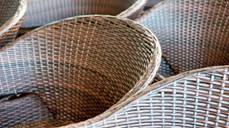
Weathered rattan refers to rattan that has undergone a color and texture transformation, commonly known as weathering. Weathered rattan displays a vintage and antique appearance with a weathered and aged color. This weathered rattan is often used as a raw material for crafts to create a vintage and antique impression.

5. Colored Rattan
Colored rattan is rattan that has been dyed to provide a more diverse appearance. Rattan can be dyed using natural or synthetic dyes. The dyeing process enhances the visual appeal and aesthetics of rattan products. Common colors found in rattan products include black, white, gray, brown, and many others.

6. Straight Rattan
Straight rattan refers to rattan with a texture and fibers that grow in a straight and orderly pattern. The straight fibers give a smooth and uniform appearance to the rattan stem. This type of rattan is often used in the production of rattan products with straight lines or parallel patterns. The straight fibers also make it easier for craftsmen to weave rattan into various shapes and patterns.

7. Curved Rattan
Curved rattan refers to rattan with a texture and fibers that grow in a curved or bent pattern. The unique characteristic of curved rattan lies in its flexibility. Therefore, this type of rattan is often used as a raw material for manufacturing rattan products with curved or curved designs, such as egg chairs and swings.
Each type of rattan has different textures and characteristics, depending on preferences and desired product designs. When choosing rattan products, you can consider the texture of rattan that suits your taste and needs.
If you want to enhance your space with rattan products, you can choose Flamingo Rotan. Flamingo Rotan can assist you in finding rattan products that match your preferences and needs. Please visit their website at www.flamingorotan.com to explore their diverse collection of quality rattan products.
Download our catalog below to see more products detail
