
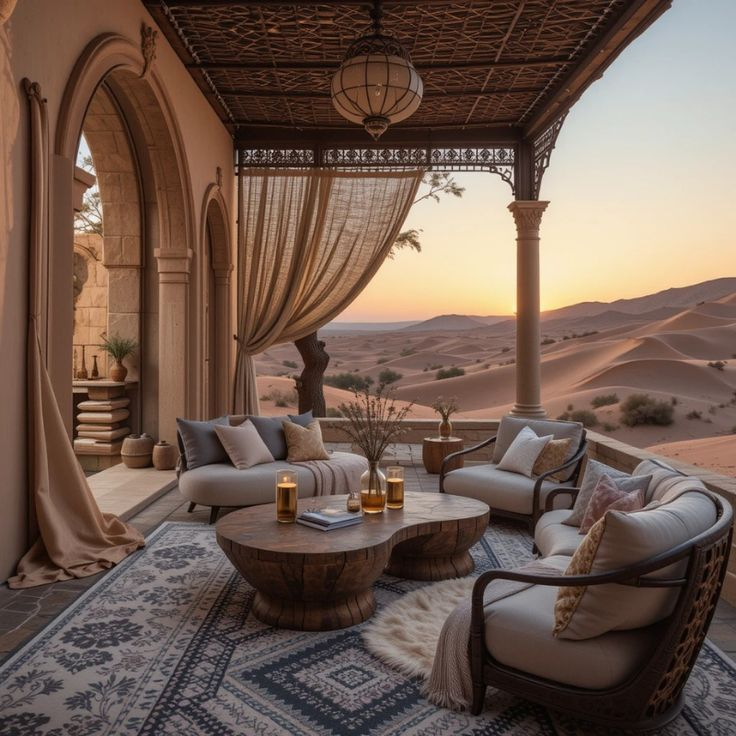
Weather resistant rattan is becoming the top choice for outdoor furniture—but can it really survive extreme climates like desert heat and European winters?
When investing in outdoor furniture, durability is everything. From intense sunlight to freezing temperatures, different environments can quickly damage low-quality materials. That’s why understanding how rattan performs in various climates is essential before making a decision.
Understanding Rattan: Not All Are Created Equal
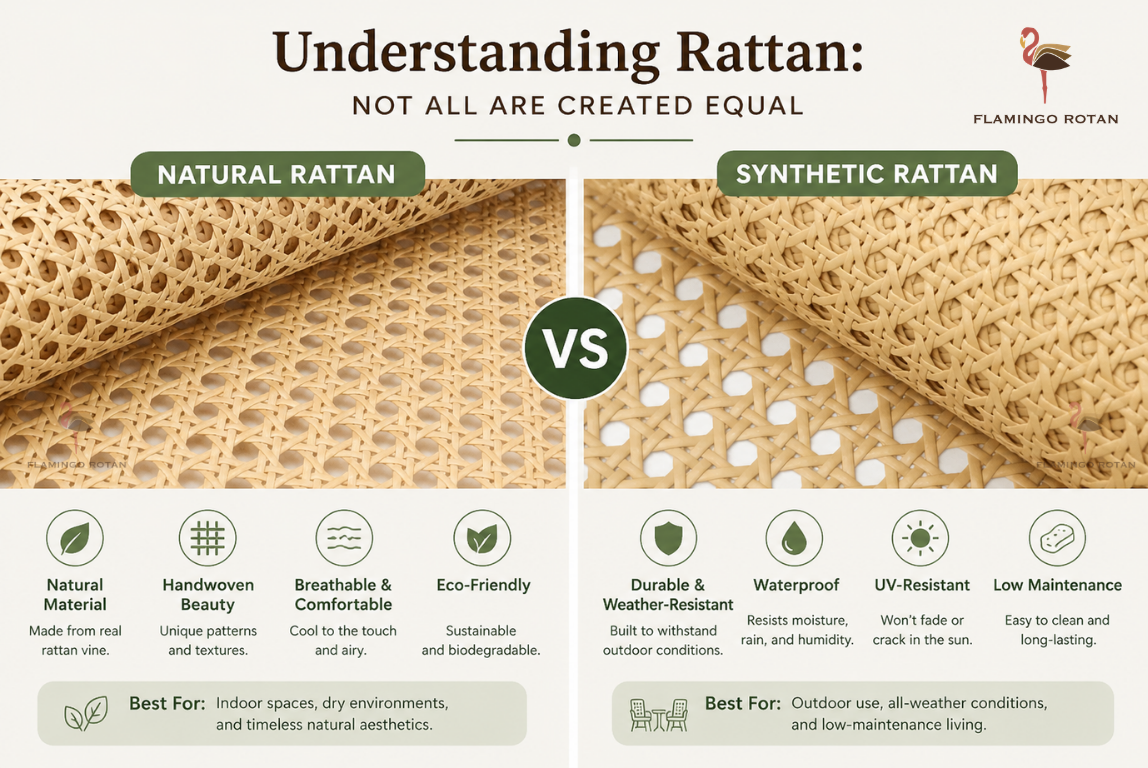
Before we talk about climates, it’s important to understand one key thing: Not all rattan is the same.
There are two main types:
- Natural rattan (plant-based)
- Synthetic rattan (PE / resin rattan)
Natural rattan looks beautiful and organic—but it has limitations. Its fibers are porous, meaning they absorb moisture and react to temperature changes.
On the other hand, high-quality synthetic rattan is engineered specifically for outdoor durability. It is:
- UV-resistant
- Waterproof
- Mold-resistant
- Built for long-term outdoor exposure
This difference is what determines whether your furniture survives—or fails—in extreme climates.
How Weather Resistant Rattan Handles Desert Heat ☀️
Desert climates bring:
- Intense sunlight
- High temperatures
- Dry air
Low-quality materials tend to:
- Fade quickly
- Crack due to dryness
- Lose structural strength
But weather resistant rattan (HDPE / PE-based) is designed differently.
It contains UV stabilizers, which help prevent fading and material breakdown under strong sunlight.
👉 Result:
High-quality rattan stays strong, keeps its color, and doesn’t become brittle—even under constant sun exposure.
Why Weather Resistant Rattan Performs Better in Cold Climates ❄️
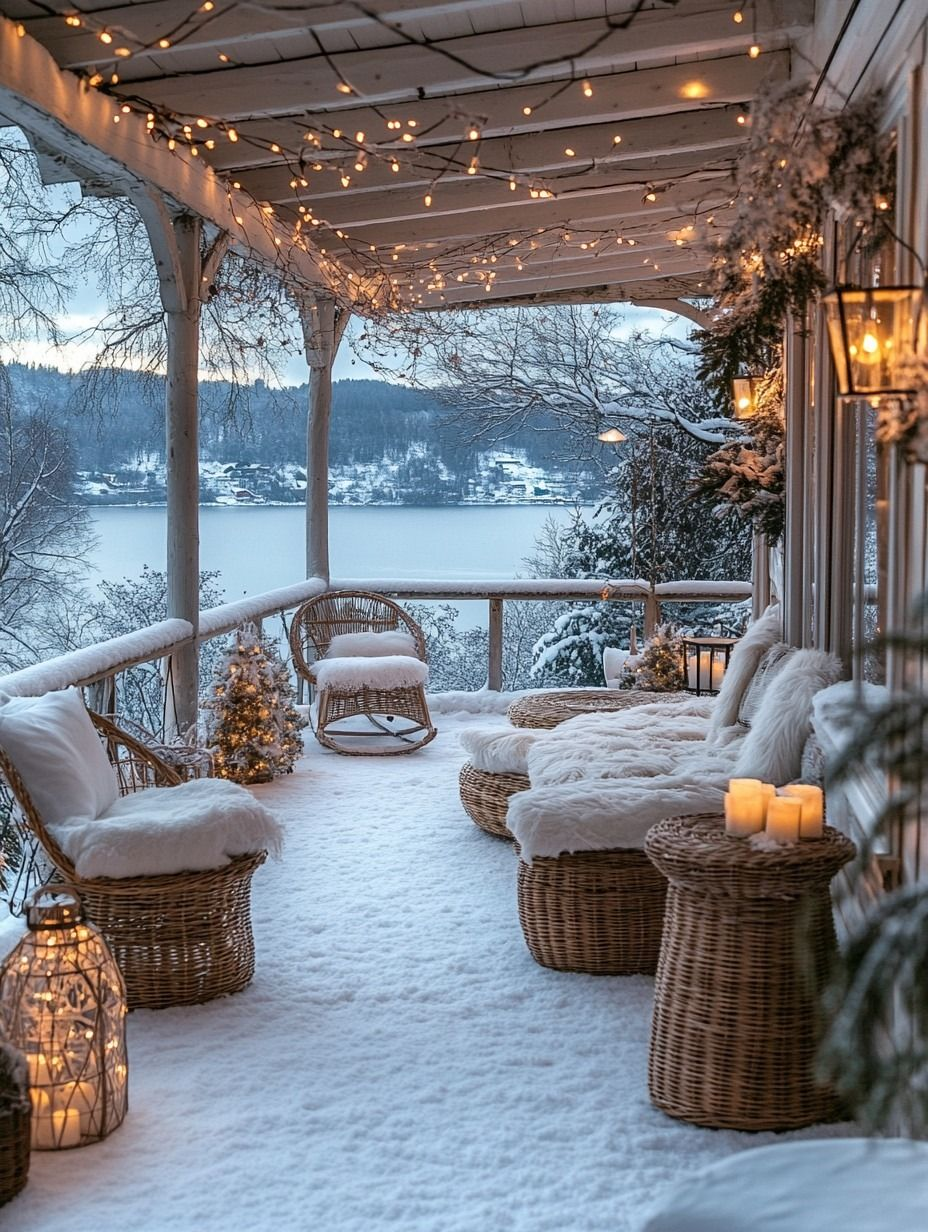
Cold climates come with a different challenge:
- Rain and humidity
- Snow and frost
- Temperature fluctuations
Natural rattan struggles here because it:
- Absorbs moisture
- Swells and contracts
- Can develop mold or rot
In contrast, premium synthetic rattan is:
- Non-porous (doesn’t absorb water)
- Resistant to mold and mildew
- Stable in changing temperatures
👉 Result:
It won’t warp, crack, or decay—even in damp or cold environments.
Real Lifespan Comparison
Let’s keep it simple:
| Material Type | Outdoor Lifespan |
|---|---|
| Natural Rattan | 1–2 years (without protection) |
| High-Quality Synthetic Rattan | 5–10+ years |
This is why most modern outdoor furniture labeled “rattan” is actually all-weather synthetic rattan.
What This Means for Buyers
If you’re investing in outdoor furniture, think long-term.
Whether you live in:
- A tropical country
- A hot desert region
- Or a cold European climate
The safest choice is always: ✔️ Weather resistant rattan with premium materials
Because good furniture shouldn’t just look beautiful—it should survive real life.
Ready to invest in furniture that lasts across seasons and climates?
👉 Discover Flamingo Rattan’s premium collection of weather resistant rattan furniture—crafted for durability, designed for comfort, and made to elevate every outdoor space.